
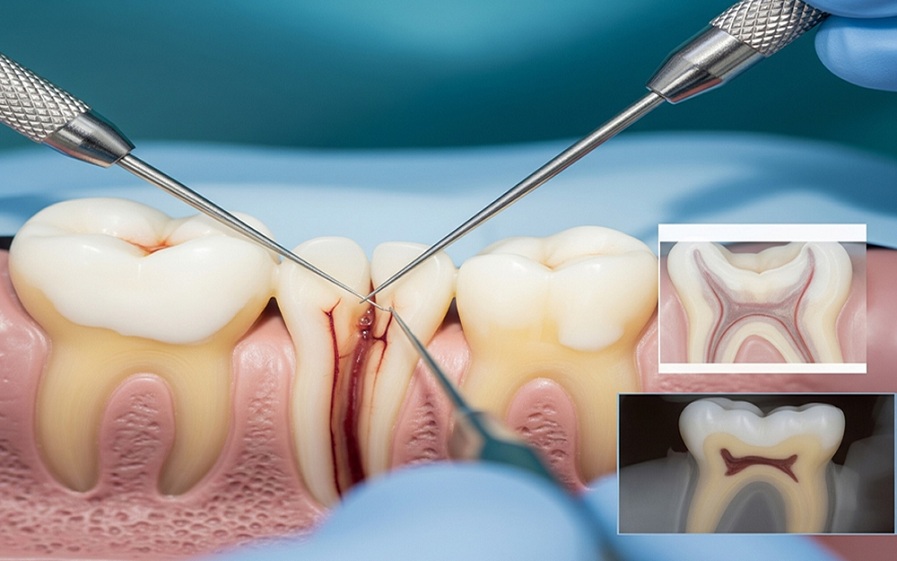
 After a root canal treatment, many patients notice that their tooth is sealed with a temporary filling rather than a permanent one. This is a normal and important step in the root canal process, designed to protect the tooth while it heals and before final restoration is completed. Understanding how a temporary filling works, how long it lasts, and what care it requires can help patients avoid complications and support long-term dental health.
Root canal treatment removes infected or inflamed tissue from inside the tooth, relieving pain and stopping infection. Once the inner canals are cleaned and sealed, the tooth still needs protection while awaiting its final restoration, which is where a temporary filling plays a key role.
Why a Temporary Filling Is Used After a Root Canal
A temporary filling acts as a short-term seal that protects the tooth from bacteria, food particles, and saliva. After the internal portion of the tooth has been treated, the structure may be weakened or sensitive. The temporary material helps preserve the tooth until a permanent filling or crown can be placed.
For patients new to this process, learning what a root canal treatment involves can help clarify why temporary materials are often part of the treatment plan before final restoration.
Temporary fillings are commonly used when:
- A crown will be placed at a later visit
- The dentist needs to monitor healing before permanent restoration
- Additional procedures are planned
How Long Does a Temporary Filling Last?
Temporary fillings are not designed to last indefinitely. In most cases, they are intended to remain in place for a few days to several weeks, depending on the treatment plan and the material used. Some temporary fillings may last longer, but they can wear down or loosen over time.
Because these fillings are softer than permanent materials, they are more vulnerable to:
- Chewing pressure
- Sticky or hard foods
- Normal wear
Patients should follow their dentist’s timeline closely to avoid leaving a temporary filling in place for too long.
What to Expect After a Root Canal With a Temporary Filling
It’s normal to experience mild sensitivity or discomfort for a short period after root canal treatment. This usually improves as the surrounding tissues heal. However, pain should steadily decrease, not worsen.
Patients may notice:
- Slight tenderness when chewing
- Sensitivity to pressure
- A different texture compared to a permanent filling
These sensations are typically temporary and manageable with proper care.
Caring for a Tooth With a Temporary Filling
Good oral care is essential while a temporary filling is in place. Simple precautions can help prevent complications and keep the filling intact until the final restoration is completed.
Helpful care tips include:
- Avoid chewing on the treated side when possible
- Stay away from hard, sticky, or crunchy foods
- Maintain gentle but thorough brushing and flossing
- Avoid pulling floss upward near the temporary filling
If the filling feels loose or uneven, it’s important not to ignore it.
What If a Temporary Filling Comes Loose or Falls Out?
A temporary filling that becomes loose or falls out exposes the tooth to bacteria, increasing the risk of reinfection. If this happens, patients should contact their dental provider promptly to have it replaced.
To understand this situation in more detail, this guide on temporary fillings after root canal treatment explains how long they last and what steps to take if problems arise.
Until the filling is replaced, patients should:
- Keep the area clean
- Avoid chewing on the exposed tooth
- Avoid extremely hot or cold foods
Prompt attention helps protect the results of the root canal treatment.
The Importance of Final Restoration
While a temporary filling protects the tooth in the short term, it is not a substitute for permanent restoration. Teeth that have undergone root canal treatment are often more fragile and may require a crown to restore strength and function.
Final restoration helps:
- Prevent fractures
- Restore chewing ability
- Protect against future infection
Delaying permanent treatment increases the risk of damage or failure, even if the temporary filling feels fine.
Long-Term Outlook After Root Canal Treatment
When followed by proper restoration and oral care, a tooth treated with a root canal can last many years, often a lifetime. Temporary fillings are a necessary step in this process, but they work best when combined with timely follow-up care.
Patients who understand each phase of treatment—from the initial procedure to final restoration—are better equipped to protect their oral health and avoid unnecessary complications.