
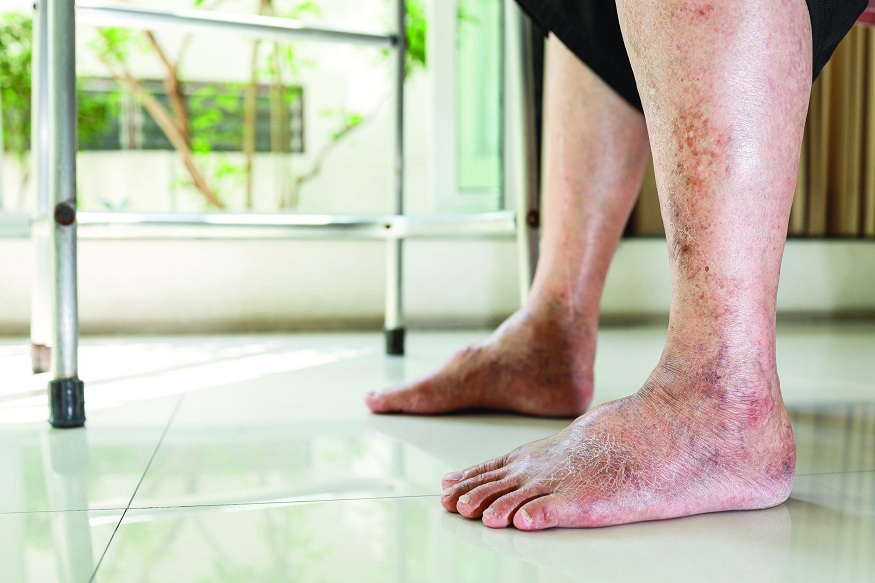
Any cut, no matter how small, can pose a problem when the body is burdened with an added stress of diabetes. High blood sugar can cause damage to the vessels and nerves. It could be beneficial for people to take it seriously and receive early treatment.
Why High Blood Sugar Slows Healing
High blood sugar, over time, can harm the blood vessels and result in health imbalance. The lack of a healthy blood supply will not allow nutrients to reach injured skin cells and will not allow the body to replenish tissue. One result of this is that diabetic ulcer wound care needs to be taken with care, especially where the ulcer is on the diabetic foot or at the base of the lower leg.
High blood sugar similarly can have an effect on the immune system. This can make it difficult for the body to adequately react to bacteria in an open wound area. Due to this, an injury may take longer to heal and be at risk for infection.
Nerve Damage Can Hide Problems
Diabetic neuropathy is nerve damage that can result from diabetes. If so, temporary loss of sensation may occur in the foot. A wound (sore) may actually worsen before the person notifies him or herself that something is amiss.
This can also cause the repeated pressure or rubbing to persist. For instance, an uncomfortable shoe might have a definite impact on a given part of the foot without producing any obvious discomfort. Regular foot checks will help a person to identify the changes in the skin in early stages.
Read More: Healthcare Careers That Blend Compassion With Technology
What Can Make Healing More Difficult?
Some diabetes-related issues can affect the healing of wounds. They are able to happen together and boost the possibility of a minor injury turning into a major problem.
- Poor circulation
- Nerve damage
- High blood sugar
- Infection
- Repeated pressure
Signs That Need Medical Attention
Wounds should be closely monitored by people with diabetes. If you notice redness or odor, do not ignore these signs, as they may indicate a serious infection. If that wound does not begin to improve, it has to be assessed promptly by a medical professional.
A health care provider can check for blood flow, sensation, the wound, and for infections. Treatment depends on the wound and includes pressure reduction, changing dressings, blood sugar control, and/or antibiotic treatment.
Protecting Wounds and Supporting Healing
Good diabetes management can help to establish better wound healing conditions. Properly taking diabetes medications can help manage blood sugar. Use of appropriate footwear should also be encouraged.
Wound care is important, as well. Maintain clean and covered wounds as advised by a health care provider and refrain from walking without shoes on when dealing with foot injuries. Once healing progresses at a rate that’s unusual, it’s better to get professional attention early than when the issue becomes more serious.
Read More: Exploring the Appeal of Putters Ultra Lights: A Smoker’s Guide to the Right Cigarette
In conclusion, there are several ways that diabetes impairs wound healing. Basically, these include loss of blood supply to the skin and neuropathy. These problems can quickly escalate from a minor injury into a situation that can require medical attention. Management and prevention of further injury and early medical attention can help minimize complications.